
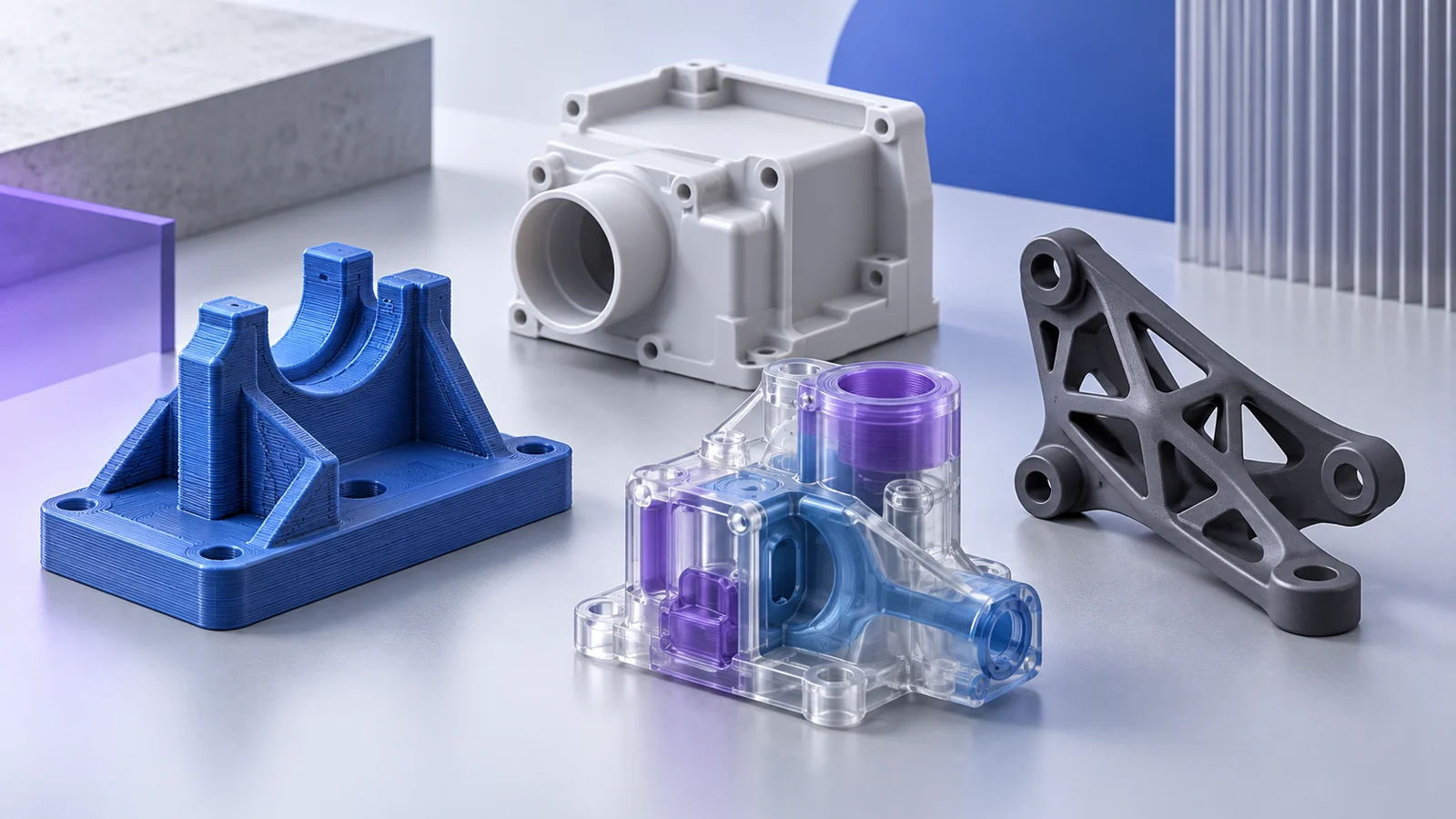
NexXora’s 3D-printing offering covers four processes: FDM, SLA, PolyJet and Multi Jet Fusion. They create different kinds of parts and require different design and finishing choices. Start with what the part must do, then confirm the process, available material and acceptance criteria.
Extruded thermoplastic layers suit many concept models, fit checks and functional prototype tasks. Orientation and layer bonding affect the behaviour and finish of the part.
A resin-based process suited to detailed geometries and smooth visual prototypes. Resin selection, support removal and curing affect the finished part and should be confirmed for the application.
Photopolymer material jetting supports fine detail and combinations of material appearance or stiffness. Use it for suitable visual, fit and tactile prototype needs.
A powder-based process used for functional polymer parts. Confirm the material, build orientation and post-processing requirements rather than assuming that all properties equal injection moulding.
Compare intended load, temperature, surface requirements, feature size, quantity and finishing.
Provide a model, drawing, material needs and the purpose of the prototype. Agree the inspection points, finish and any assembly requirements before production.
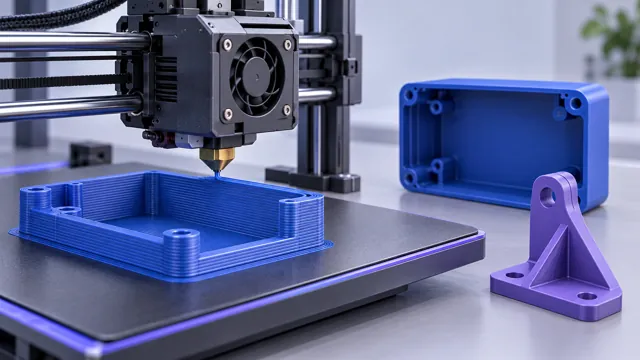
Thermoplastic prototypes for concept checks, fit evaluation, fixtures and suitable low-volume applications.
FDM 3D Printing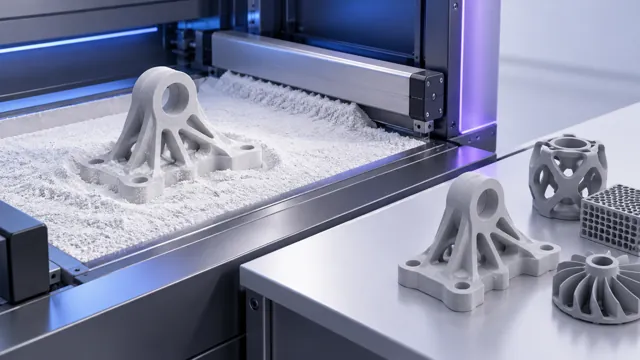
Powder-based polymer printing for functional prototypes and suitable end-use parts, with material and finishing agreed per build.
Multi Jet Fusion 3D Printing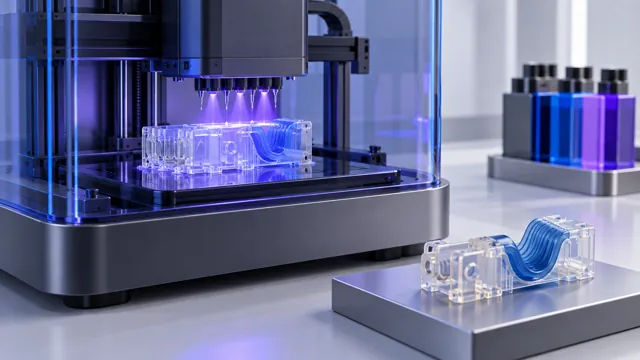
Detailed photopolymer prototypes for appearance, fit and multi-material design evaluation.
PolyJet 3D PrintingResin prototypes for detailed geometry, surface appearance and controlled design evaluation.
SLA 3D Printing