
NexXora’s IoT integration work connects devices, sensors, platforms and business systems. The purpose is to move information from the equipment to the applications and people that need it, while making the interfaces between hardware, software and cloud systems explicit.
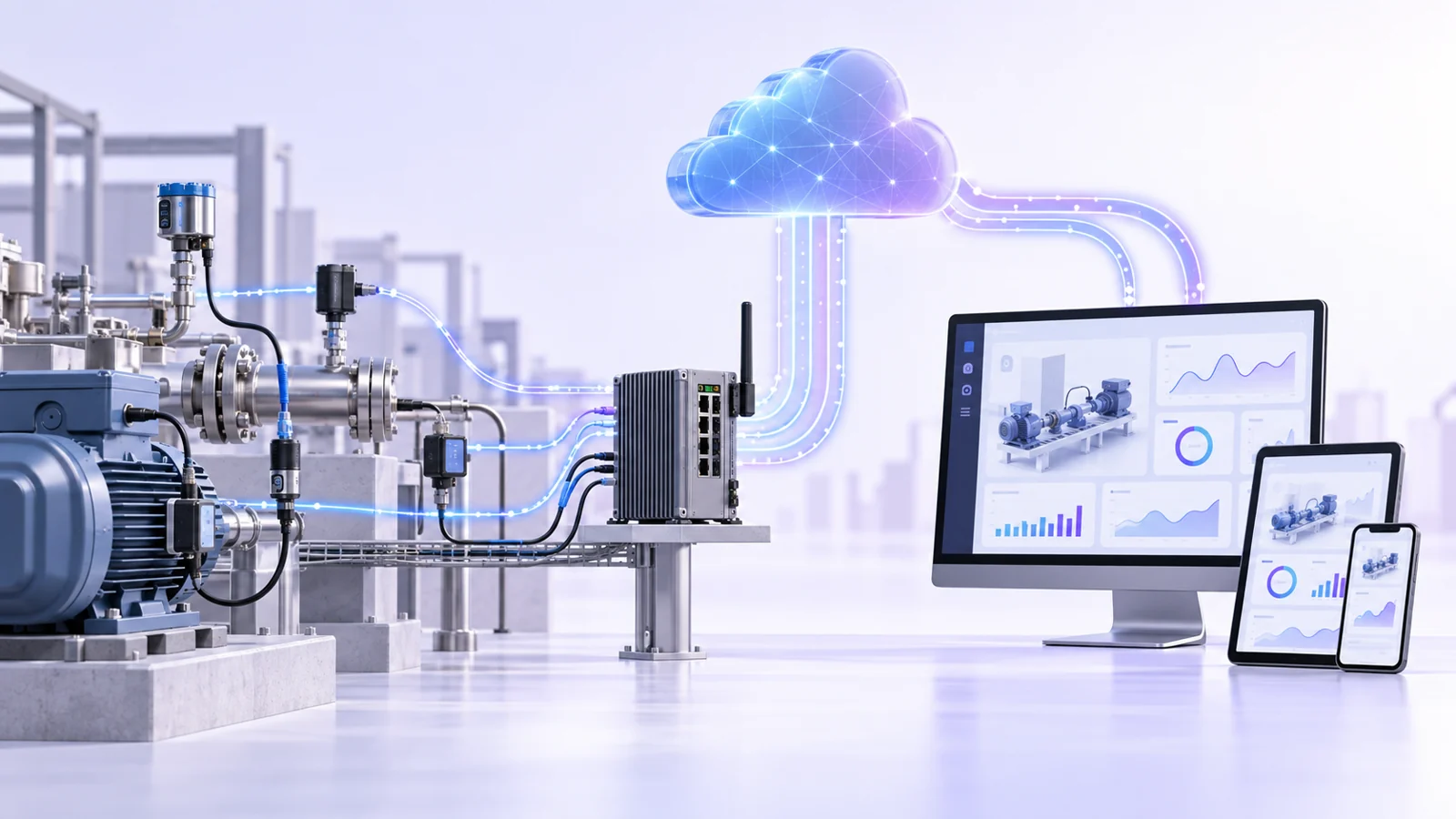
Scope how the device measures or controls the physical process. Define data units, sampling needs and the interfaces between the sensor, controller and gateway. Custom electronics and firmware can be linked to the embedded-systems practice.
Select an architecture that fits the site, device fleet and operational requirements. Choose protocols such as MQTT, HTTP, Modbus or OPC UA to match the equipment interfaces and integration requirements.
Connect device information to equipment dashboards, trend views or operational systems for day-to-day operational visibility. Establish device identity, message structure and access requirements. Cloud selection should follow the application and existing customer environment.
The monitoring service turns telemetry into equipment status, trends, alarms and diagnostic workflows. Use those insights to guide the next maintenance or operational action.
Provide the equipment inventory, available interfaces, sample data, connectivity constraints and users who need the information. Agree the architecture, integration outputs, test scenarios and support ownership before deployment.
A monitoring retrofit may start with existing controller data, a new sensor or a local gateway. Establish what each signal means, how often it changes and what happens when readings are unavailable. Include timestamps, device identity and data quality in the interface specification.
Then define the user’s next action. A trend view may support maintenance planning; an alarm may need acknowledgement and escalation. Test the complete path from the equipment to the application, including interrupted connectivity and reconnection. Deliver device configuration, interface documentation and operating instructions together so the system can be maintained after the initial deployment.
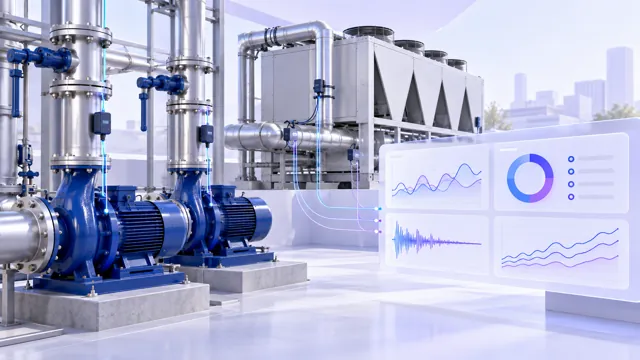
IoT software for equipment telemetry, condition trends, alarms and device diagnostics.
Remote Equipment Monitoring and Device Management