
Environmental monitoring needs a clear measurement objective and a reliable path from the sensor to the user. Engineering work can integrate instruments, local electronics and software for a defined monitoring application. Sensor accuracy, calibration and interpretation must be established independently of the dashboard.
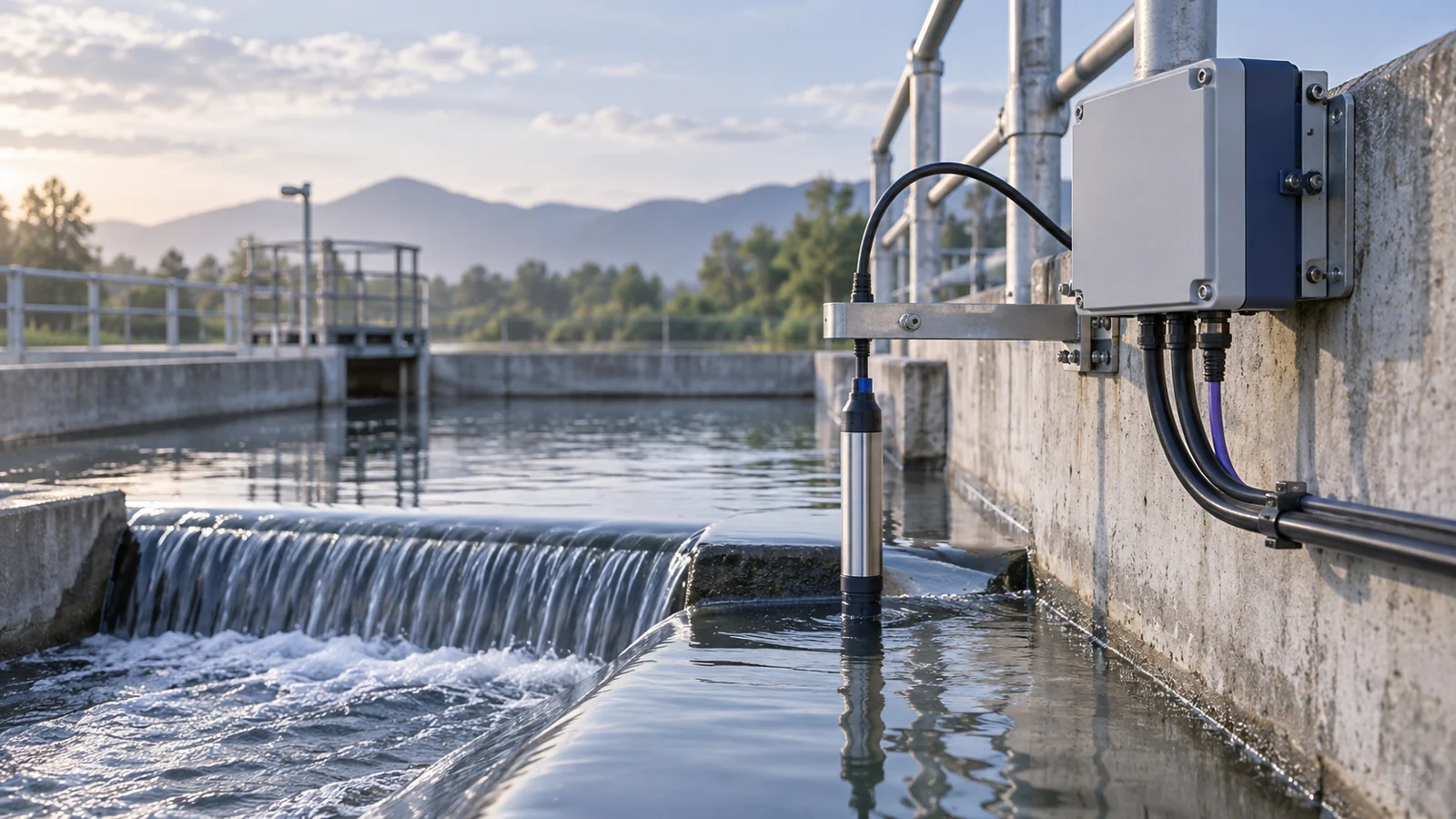
Connect selected level, flow or environmental instruments through their supported interfaces. Define units, calibration information and valid measurement ranges. A device should identify unavailable or invalid data rather than presenting it as a meaningful zero.
Scope power, communication and local buffering for the installation. Outdoor equipment requires specified enclosure and environmental requirements. Define how the application reports delayed readings, device status and periods without connectivity.
Present readings, trends and alerts that match the operator’s task. Agree alarm limits and response ownership. Water-quality or environmental-compliance conclusions require suitable instruments, sampling practice and domain validation.
Agree the sensor-interface specification, data model, hardware or gateway configuration, dashboards and trial records. Document the calibration and maintenance responsibilities and the conditions under which the system was evaluated.
Provide the measurement objective, instruments, location conditions, power and connectivity availability. Explain who will use the data and the action taken when a reading is outside the expected range.