
Logistics engineering projects connect physical movement to reliable information. Work can support equipment monitoring, warehouse-device integration and operator applications. Define whether the objective is visibility, inspection or a specific machine function before choosing sensors, software or an autonomy approach.
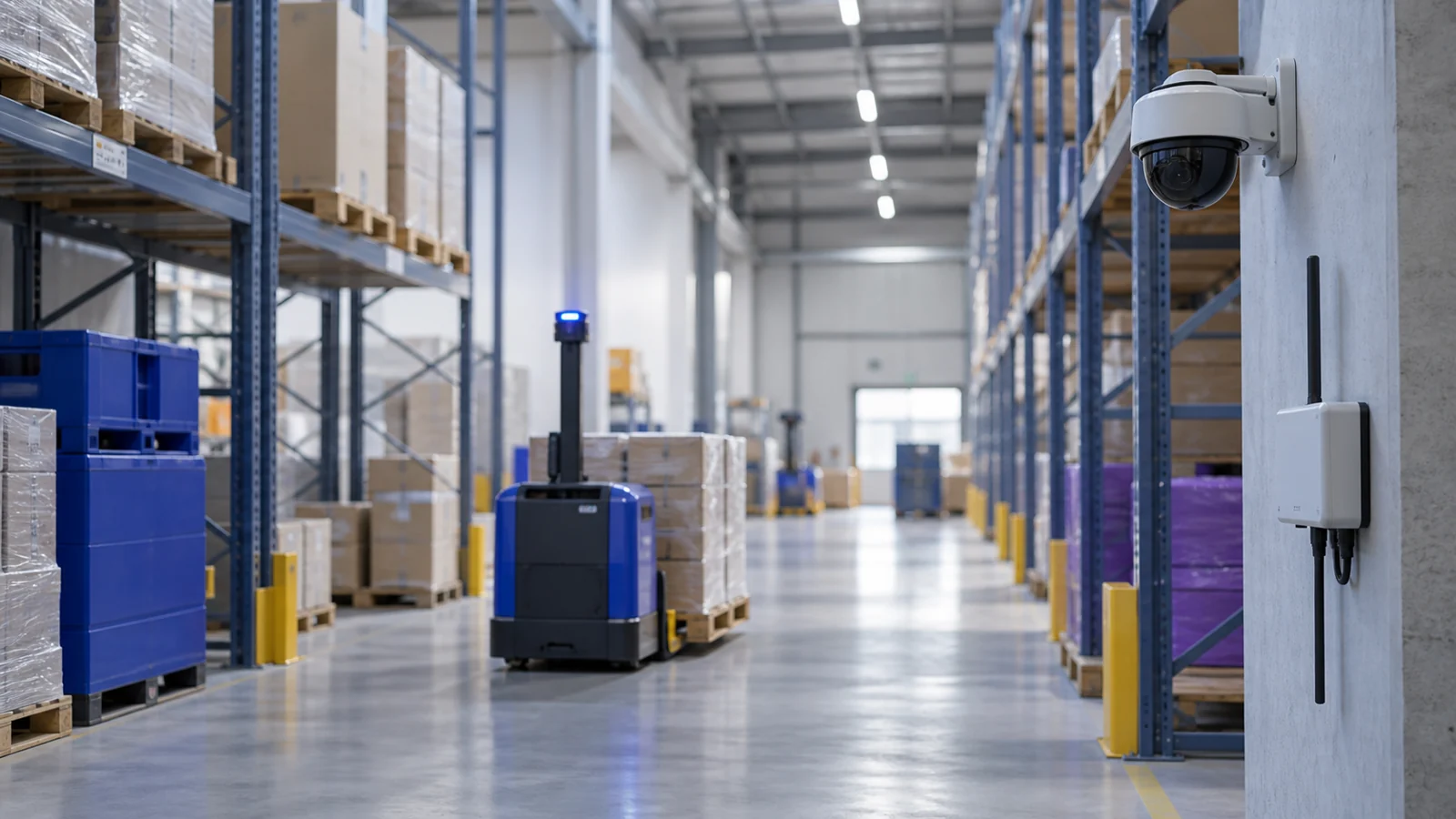
Collect relevant asset status or environmental measurements and connect them to the operational workflow. Define identity, timestamps and missing-data handling. Location accuracy, cold-chain compliance and fleet scale must be established for the actual technology and deployment.
Evaluate camera-based item checks or obstacle detection for a scoped development platform. Perception outputs must be connected to a separately designed control and safety system.
NexXora’s autonomous-drone product is being developed for indoor operation. Site layout, lighting, people and operational restrictions must guide any demonstration.
Agree integration interfaces, device or application configuration, test scenarios and operational documentation. Identify the owner of an alert or exception and how the system handles interrupted connectivity.
Share the warehouse or transport workflow, equipment list, available interfaces and the operational problem. For autonomy-related work, define the mission, environment and evaluation responsibilities.