
Food and beverage engineering work can support equipment, packaging and operational information. Applications include visual checks, condition monitoring and product or fixture design. The customer’s hygiene, process and quality requirements must shape the work package and the evidence used to approve it.
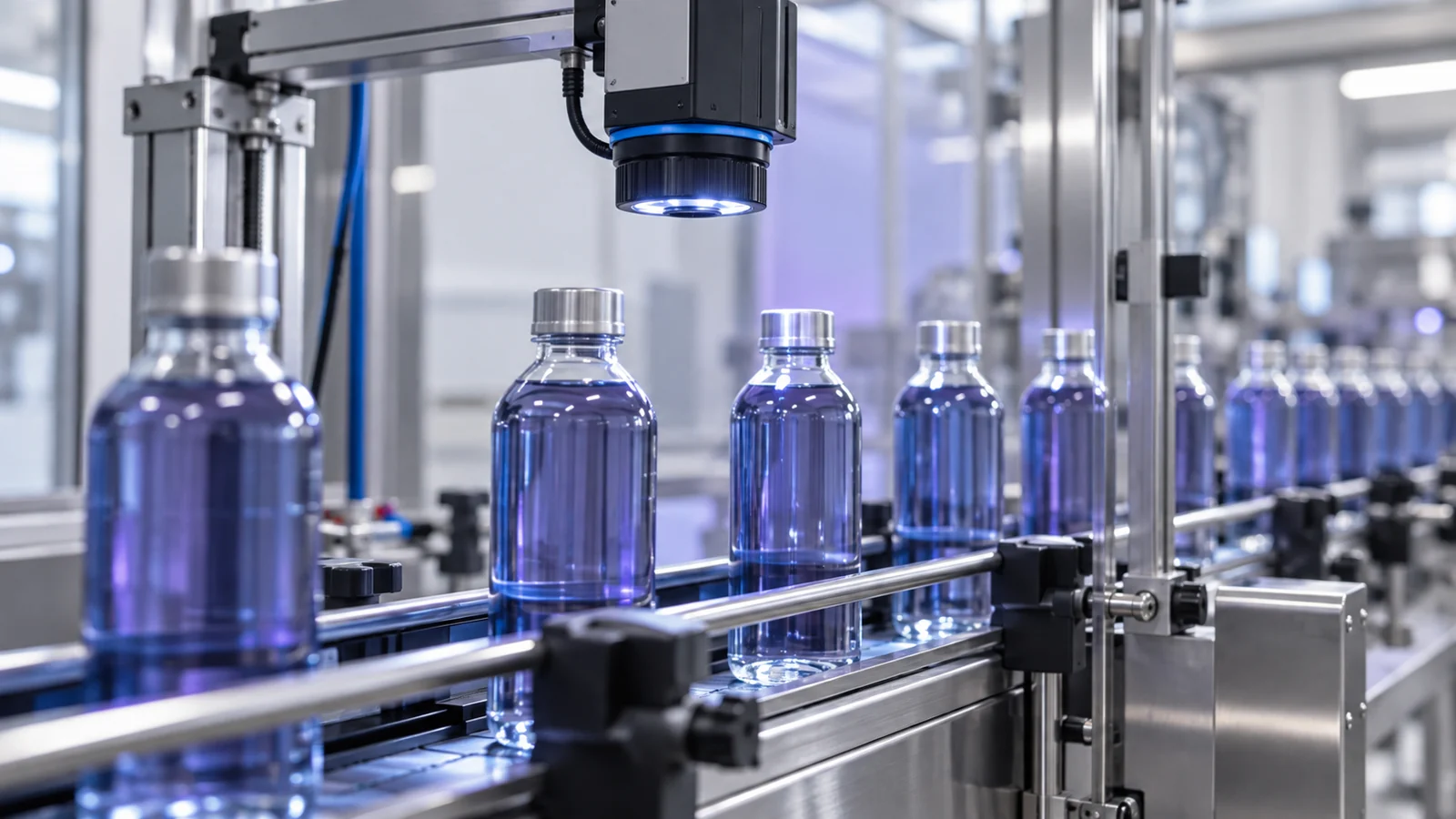
Evaluate vision for label presence, cap placement, package features or visible defects. Use representative variants and realistic line conditions. Define how uncertain results are reviewed and keep food-safety release decisions within the customer’s established process.
Integrate selected temperature, motor or equipment-status signals into a monitoring workflow. Confirm sensor placement, calibration and washdown or environmental requirements. A monitoring application does not itself establish food-safety compliance.
Scope mechanical models, prototype parts or production aids around the actual equipment. Materials and surface requirements must be reviewed for the intended contact and cleaning conditions.
A handover includes the design or integration files, inspection or monitoring configuration and test records. Identify the client’s validation and maintenance responsibilities and the conditions tested.
Provide the line or equipment description, images or sample data, operating speeds and required quality checks. State material, cleaning and environmental constraints before selecting a prototype or production method.